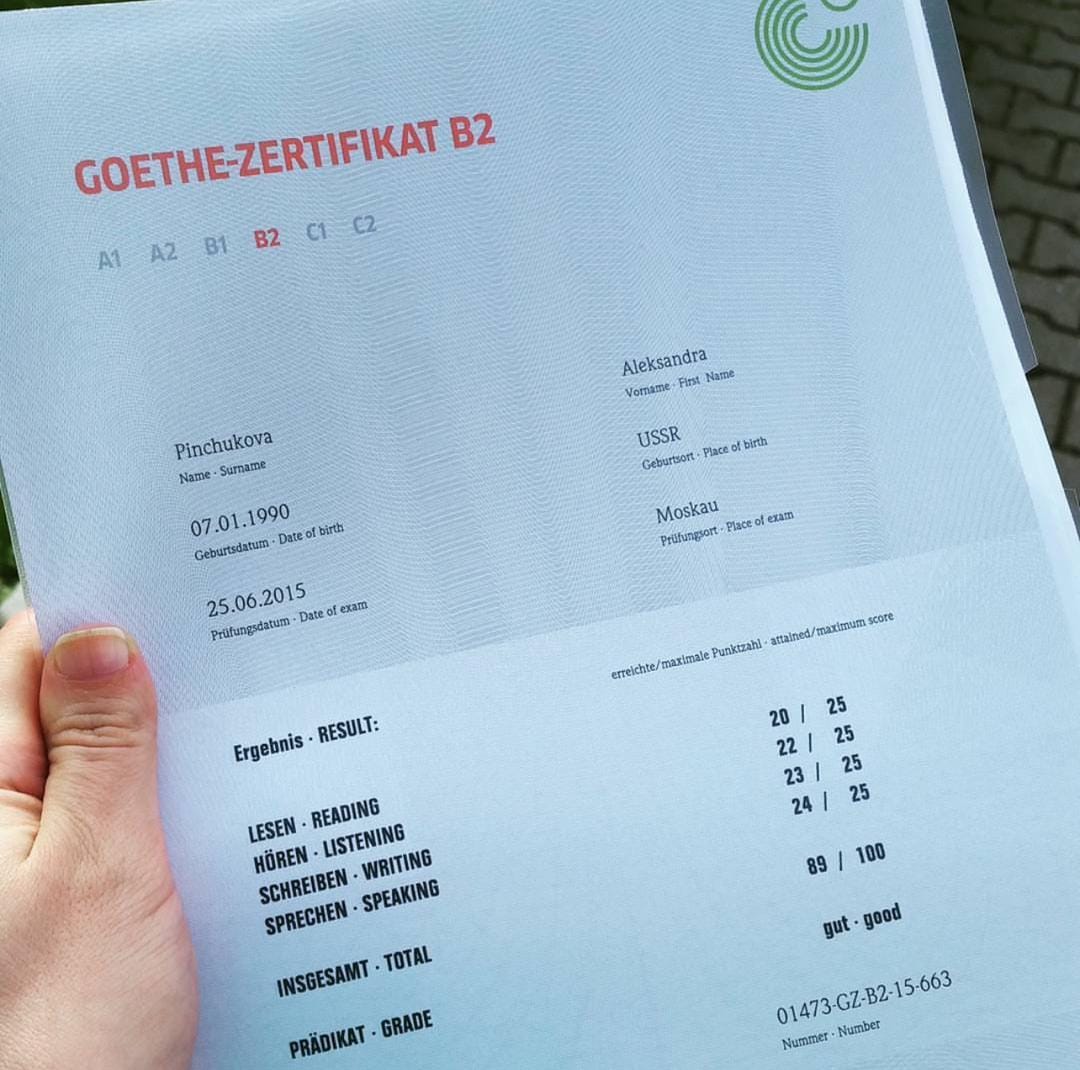
Understanding the B1 Certificate: A Gateway to Linguistic Proficiency
Language efficiency exams function as criteria for individuals intending to confirm their language abilities. One such noteworthy accreditation is the B1 Certificate, which examines an individual's proficiency in the English language according to the Common European Framework of Reference for Languages (CEFR). This article delves into the significance, structure, preparation methods, and typical questions connected with the B1 Certificate.
What is the B1 Certificate?
The B1 Certificate signifies that a learner has reached an intermediate level of proficiency in English. At this phase, prospects are capable of managing a range of daily situations, expressing viewpoints, and discussing subjects that recognize to them.
Key Features of the B1 Level
| Function | Description |
|---|---|
| Listening | Understanding the primary points of clear basic speech on familiar matters. |
| Reading | Reading and understanding texts that consist generally of high frequency everyday or job-related language. |
| Speaking | Making basic connected text on subjects that are familiar or of personal interest. |
| Composing | Writing basic connected text on topics that recognize or of personal interest. |
Why is the B1 Certificate Important?
- Profession Advancements: Many employers need evidence of language skills, and a B1 Certificate can improve job prospects in various fields.
- Academic Opportunities: Students aiming to study abroad often require to provide proof of their English efficiency. The B1 Certificate works as an important qualification for undergraduate research studies in English-speaking countries.
- Travel: Knowing English at a B1 level helps with smoother communication while taking a trip, enabling individuals to browse unknown environments with self-confidence.
- Personal Development: Achieving the B1 Certificate can improve self-confidence and encourage students to continue enhancing their language skills.
Structure of the B1 Exam
The B1 Certificate exam generally encompasses the following parts:
| Component | Period | Description |
|---|---|---|
| Listening | Thirty minutes | Prospects listen to recordings and address concerns based on them. |
| Checking out | 60 minutes | Individuals check out texts and answer understanding concerns. |
| Composing | 60 minutes | Prospects compose a short essay or letter concerning a provided topic. |
| Speaking | 10-15 minutes | In pairs or groups, prospects participate in a conversation and response concerns. |
Breakdown of Each Exam Component
- Listening: This component includes different jobs, including multiple-choice questions, fill-in-the-gaps, and true/false declarations. It evaluates the capability to understand basic discussions, statements, and conversations on familiar topics.
- Checking out: The reading area includes passages from posts, advertisements, and emails. Prospects must show their understanding by responding to questions associated with the texts.
- Writing: In the composing portion, individuals are generally needed to compose a casual letter or email, sharing individual experiences or viewpoints. B1 Zertifikat Ohne Prüfung examines their capability to interact in written English.
- Speaking: Candidates take part in a structured dialogue with an inspector or peer, covering both ready subjects and spontaneous concerns. This examines conversational abilities, pronunciation, and fluency.
Preparation Strategies for the B1 Exam
Preparing for the B1 Certificate needs a tactical technique to efficiently improve language skills. Here are some ideas to assist prospects prepare yourself:
- Familiarize with the Exam Format: Understanding each part of the exam and practicing accordingly can substantially reduce anxiety on test day.
- Practice Listening Skills: Engage with English speech through podcasts, motion pictures, and tunes. Usage understanding questions to determine understanding.
- Improve Reading Comprehension: Read a variety of materials such as papers, blogs, and literature to construct vocabulary and comprehension abilities.
- Enhance Writing Skills: Regularly compose brief essays and letters based upon triggers, and seek feedback from teachers or peers to boost composing proficiency.
- Participate in Speaking: Practice speaking with native speakers or fellow students. Language exchange platforms can provide opportunities for discussion.
- Make Use Of Online Resources: Various websites use mock exams and practice materials tailored for B1 students. Platforms like Duolingo, Babbel, and other language learning apps can be helpful.
- Join Study Groups: Collaborating with fellow students can create a motivating environment for practicing all elements of the language.
Often Asked Questions (FAQs)
1. What is the validity of the B1 Certificate?
The B1 Certificate does not have an expiration date; however, it is advisable to renew language abilities routinely as they can reduce without practice.
2. For how long does it require to get ready for the B1 exam?
Preparation period can differ based upon the person's starting level. Usually, learners might require 6-12 months of devoted study to reach the B1 level.
3. Where can I take the B1 exam?
Various institutions, including language schools and universities, provide B1 Certificate exams. It is necessary to check the recognized organizations within your region.
4. What is the distinction between B1 and other CEFR levels?
The CEFR lays out six levels of language proficiency varying from A1 (Beginner) to C2 (Proficient). B1 is the 3rd level, suggesting an independent user who can manage everyday interaction in English.
5. Can I retake the exam if I do not pass?
Yes, candidates can retake the B1 Certificate exam as sometimes as needed till they achieve the wanted result.
The B1 Certificate works as an important stepping stone for people looking for to enhance their English language skills, enhance their career prospects, or pursue scholastic goals. Through dedicated preparation and understanding of the exam structure, candidates can successfully browse their course to attaining this accreditation. By welcoming the obstacles that come with learning a language, individuals not just improve their interaction abilities but likewise enrich their personal and professional lives.
For those getting ready for the B1 Certificate, determination and practice can pave the way for a gratifying and effective journey on the planet of language learning.